New Home & Pre-Construction Pest Control Brisbane
Chemical soil barriers, physical membranes, and reticulation systems installed before the slab goes down. Post-build pest treatment also available. QBCC-compliant documentation, builder coordination, and up to 50-year warranties.
Why New Homes Need Pest Protection
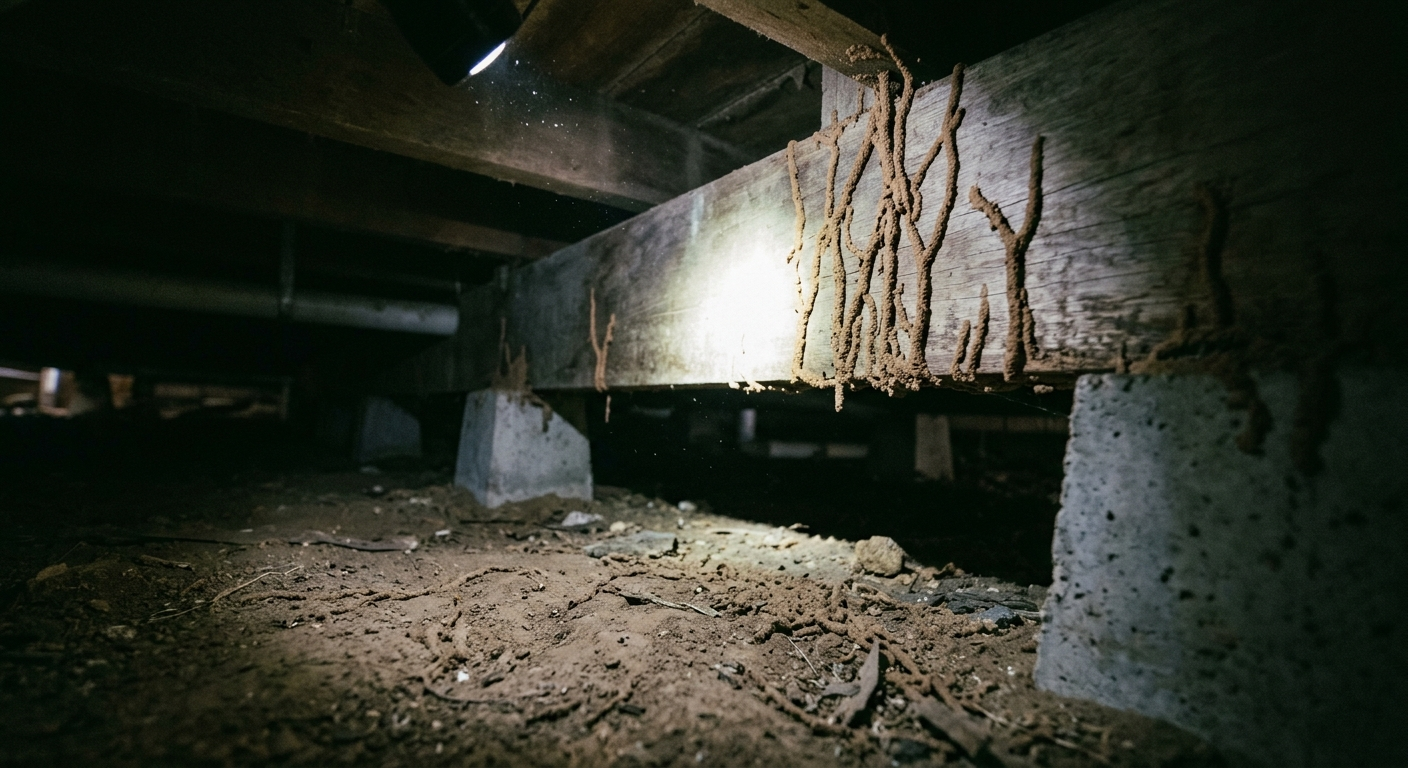
Brisbane sits in one of the highest termite-risk zones in Australia. Construction disturbs soil, exposes raw timber framing, and removes natural termite predators from the site. A new home without a barrier system is at immediate risk from day one of occupation. The Queensland Building Code and AS 3660.1 both mandate termite management systems on all new residential builds.
Termite Risk Zone
Brisbane is classified High in the Australian Standard termite hazard map. Attack within 5 years of build is not uncommon without a barrier.
Raw Timber Exposure
New timber framing and flooring has no treatment and no history. Termites move directly to fresh, untreated softwood in preference to weathered timber.
QBCC Requirement
Pre-construction termite treatment is not optional in Queensland. A compliance certificate is required before final inspection and occupation.
Cost of Delay
Pre-construction treatment costs $1,800–$4,500. Post-construction chemical barriers cost more and offer less coverage. Termite damage averages $10,000–$50,000.
Pre-Construction Termite Treatment Options
Three barrier systems are used in new Brisbane homes. Which is right depends on slab type, build timeline, soil conditions, and whether you want the option of future chemical replenishment. All must be installed before or during the slab pour.
Post-Construction Pest Treatment
Once a new home is complete and occupied, a post-build general pest treatment addresses the pests that arrive once people move in. New homes are not immune to ants, cockroaches, and spiders. The four stages below describe a complete new home pest program from pre-pour to ongoing protection.
Pre-Pour Treatment
Chemical or physical barrier installed before or during the concrete slab pour. This is the only stage where full subfloor barrier coverage is possible.
Perimeter Top-Up
After construction is complete, external perimeter soil is treated to close any gaps left around footings, paths, and landscaping that were not accessible at the pre-pour stage.
First Annual Inspection
12 months after completion, an AS 3660 termite inspection confirms the barrier is intact and checks for any activity. Required under AS 3660.2 for homes with a termite management system.
General Pest Treatment
After furniture is in and the home is occupied, a general pest treatment addresses cockroaches, ants, and spiders. This is a standard residential treatment, not part of the termite program.
Working with Builders and Developers
Pre-construction treatment must happen at exactly the right construction stage. We coordinate directly with builders and project managers so treatment does not delay the build schedule. See our termite barriers page for full technical information.
Build stage coordination
We schedule treatment around the slab pour date and confirm a 24-hour treatment window with the project manager. Treatment is completed within the window and the site is cleared for the concreting crew.
QBCC compliance documentation
Treatment certificate and all required QBCC documentation issued on the day of treatment. Builders receive digital copies within hours and physical copies on request.
Fast scheduling
We confirm a booking within 48 hours of contact and work around the build program. Delays waiting for pest treatment are not acceptable on a construction schedule.
Owner communication
We communicate directly with the owner or buyer if preferred, explaining what was installed, how long it lasts, and what to do at the annual inspection date.
Compliance with Queensland Building Code
Warranty Periods by Barrier Type
Annual inspections are required under AS 3660.2 to maintain warranty validity regardless of the barrier type. All inspection reports are provided in writing and can be used as evidence of ongoing compliance. See our timber pest inspection page.
| Barrier Type | Product Examples | Warranty Period | Annual Inspection | Re-treatment Required |
|---|---|---|---|---|
| Chemical soil barrier | Termidor SC, Biflex AquaMax | 8–10 years | Yes (AS 3660.2) | Yes, after warranty expiry |
| Physical barrier | Kordon, HomeGuard | Life of building | Yes (AS 3660.2) | No |
| Reticulation system | Exterra, Greenzone | Ongoing with replenishment | Yes (AS 3660.2) | Via pipe system as needed |
Pre-Construction Pest Control FAQ
Get a Pre-Construction Quote Today.
QBCC Compliant · Builder Coordination · Same-Week Scheduling · All Barrier Types